
We’re pleased to share the results of our Winter 2025-26 bioacoustic survey, which provides a detailed picture of bird activity across seven Vitacress sites between November 2025 and January 2026.
Bioacoustic monitoring uses automated recording devices to capture wildlife sounds over long periods. Experts at Carbon Rewild analyse these recordings with specialist software to identify species presence, behaviour and activity trends, providing a consistent and non-invasive way to monitor biodiversity.
What we found
Across all locations, the survey identified 72 bird species, with over 237,000 individual calls recorded and analysed. Many familiar farmland and woodland birds were present, and our five most frequently recorded species in order were: robin, dunnock, wren, blue tit and long tailed tit.
The survey also highlights the ecological value of our sites, recording:
- 10 red-listed species (highest conservation concern)
- 24 amber-listed species (moderate conservation concern)
- 33 green-listed species (lower risk or stable)
- 5 introduced non-native species
The presence of red-listed species, such as lapwing, skylark, house sparrow, yellowhammer, grey partridge and mistle thrush, highlights both the importance of our sites in supporting species of high conservation concern, and the need to continue managing them sensitively.
Several other notable and priority species were recorded during the survey, including:
- Long-eared owl and snipe at Abbey Farm in Kent
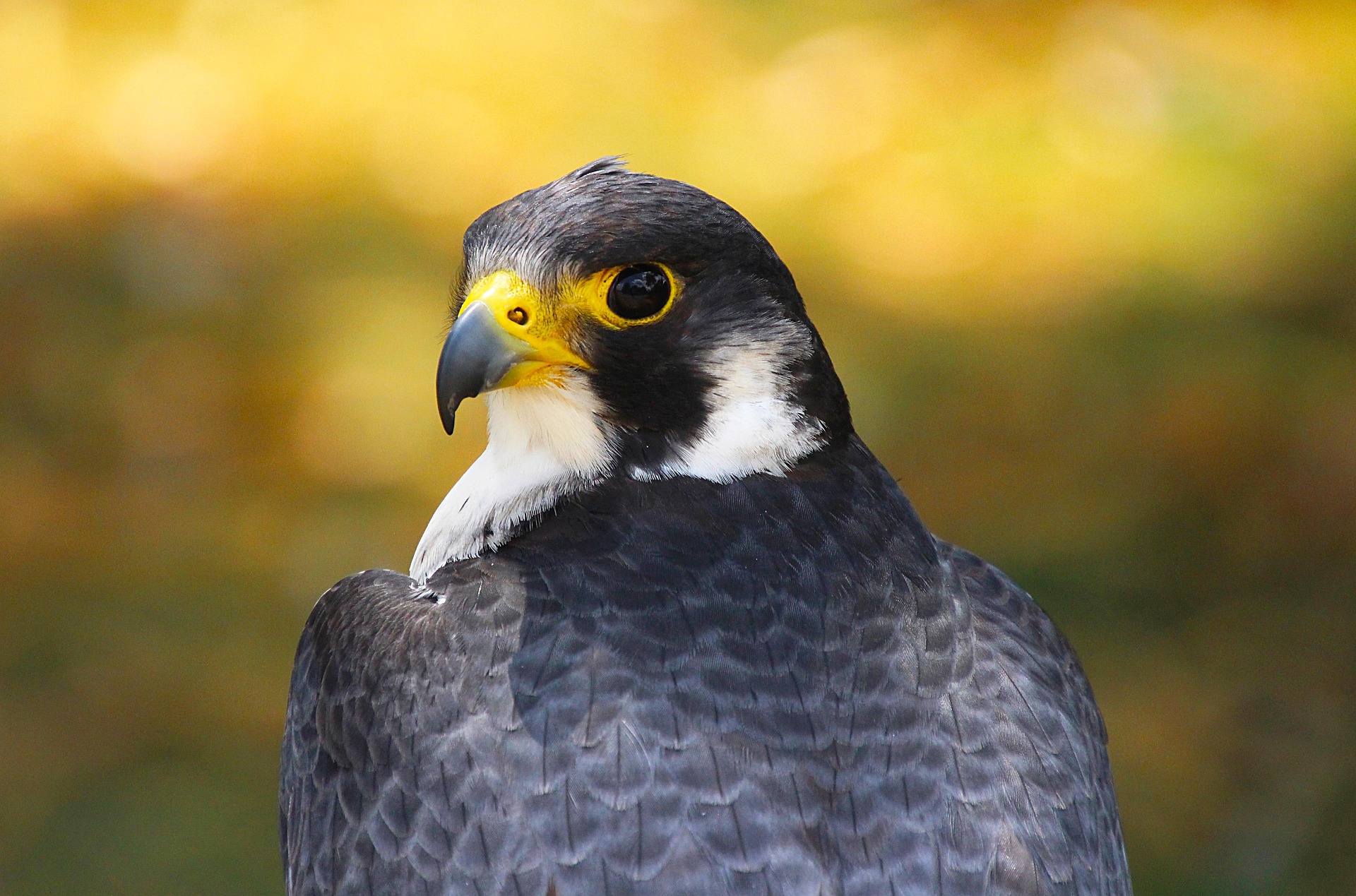
- Peregrine falcon at Lower Link Farm in Hampshire
- Common sandpiper at Mullens in Wiltshire
- Water rail at the home of Vitacress Herbs in Chichester
- Green sandpiper at Doddings in Dorset
The presence of these species indicates that our habitats are supporting a wide range of ecological niches, including aquatic and wetland specialists.
Why this matters: Delivering for nature and our customers
UK bird populations have experienced significant declines, and recent estimates point to the UK having tens of million fewer birds now than in 1970. This is primarily due to habitat loss and agricultural intensification, but also climate change.
This survey helps us to track biodiversity trends, identify opportunities for habitat improvement, and demonstrate the environmental value of our farming practices.
What happens next?
We will use these findings to inform land management and habitat creation, support biodiversity reporting and sustainability targets, and guide further monitoring. Continued surveys will allow us to measure progress, assisting with the delivery of meaningful outcomes for nature across Vitacress sites.
We look forward to sharing the results of our summer survey later this year, as we continue to build a clearer picture of biodiversity across our farming operations.
You can read the full bioacoustics report here: Vitacress Winter Bioacoustic Survey Report