
We’re pleased to share the latest report from our bioacoustics bird and bat surveying, conducted spring and summer 2025. These surveys play a crucial role within our Second Nature environmental programme, as we collect biodiversity data to inform habitat creation and species-specific conservation programmes.
The bioacoustics devices use specialised technology to record bird and bat sounds, before being analysed by experts at Carbon Rewild, who put together our report.
Key findings include:
- 91 species recorded, an 11% increase on 2024
- 22 red list species recorded compared to 19 in 2024
- 15 new species not recorded in 2024, including the rare red backed shrike and nightingale
- Recordings of grey wagtail, a key Vitacress Farm Excellence species, increased by 147% year on year
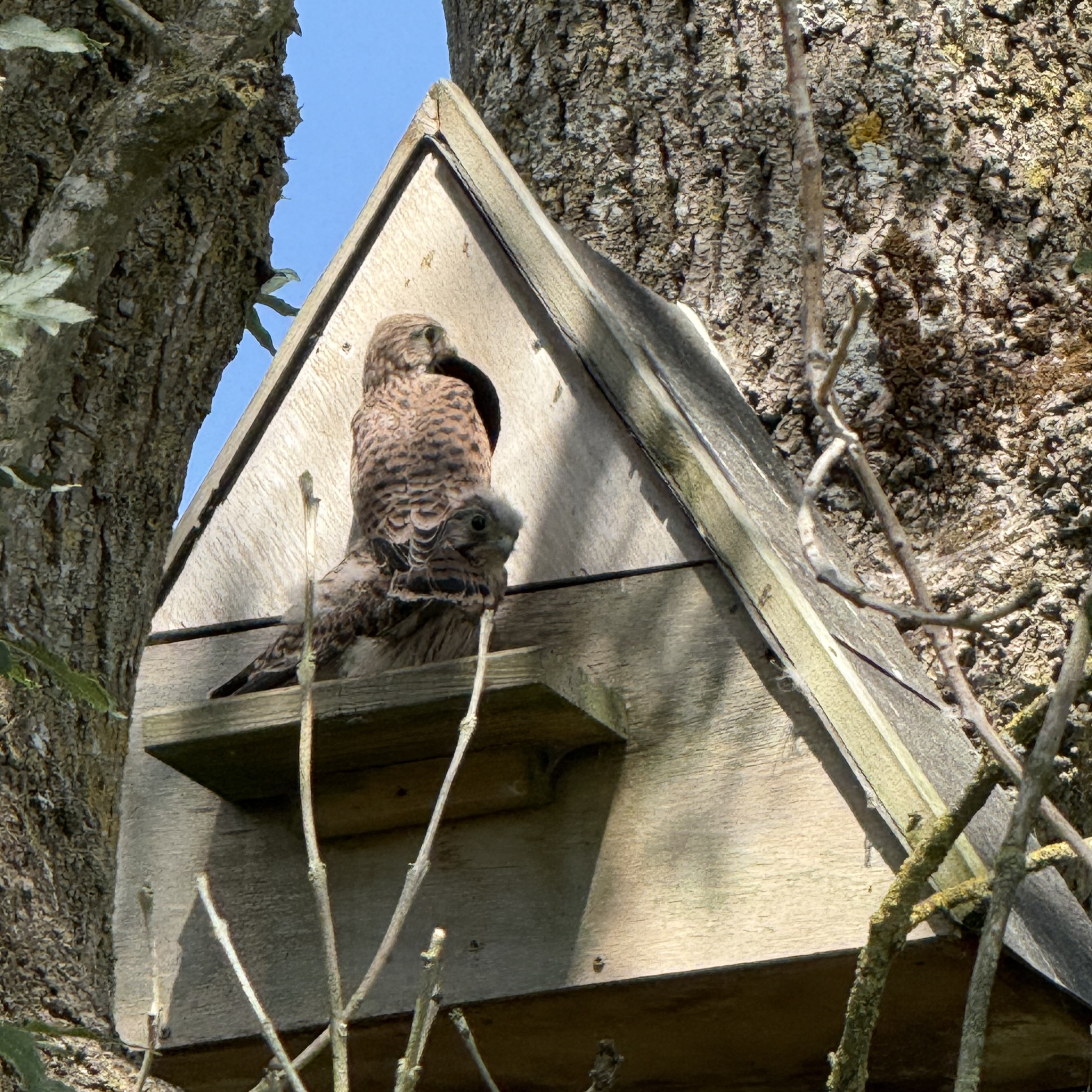
- Our greatest increase was for kestrel (588%), possibly due to them nesting close to one of our recording devices – they are very noisy!
- Several aquatic species also showed increases, including water rail (413%), reed warblers (372%) and kingfishers (175%) enhancing chalk streams and aquatic habitats, which continues to be a key priority of our Second Nature strategy
- 10 bat species, including the aquatic habitat dependent Daubenton’s bat and the rare barbastelle
This work highlights how farms can support rich and varied wildlife, and how sound can help us track and protect it.
As part of the Vitacress Farm Excellence Programme, we continue to work closely with LEAF (Linking Environment And Farming). Their sustainable farming principles help guide our approach to Integrated Farm Management, ensuring that the biodiversity insights gained through bioacoustics translate into practical, on-farm improvements. LEAF’s support reinforces the importance of evidence-based, nature-positive farming, something we are proud to champion across our sites.
Read the full report here: Vitacress Bioacoustic Survey Report Spring-Summer 2025
Coming up next: Our winter bird bioacoustics report is forecast for release in April 2026, featuring our Dorset farms for the first time. We will be keeping a close eye for any water pipits!
Thanks to Carbon Rewild, LEAF, our bioacoustics partners, and all our farmers – your expertise and collaboration made this possible.